Importance of Event Lighting – Transforming Guest Experience
- Wix Team legend
- 4 days ago
- 14 min read

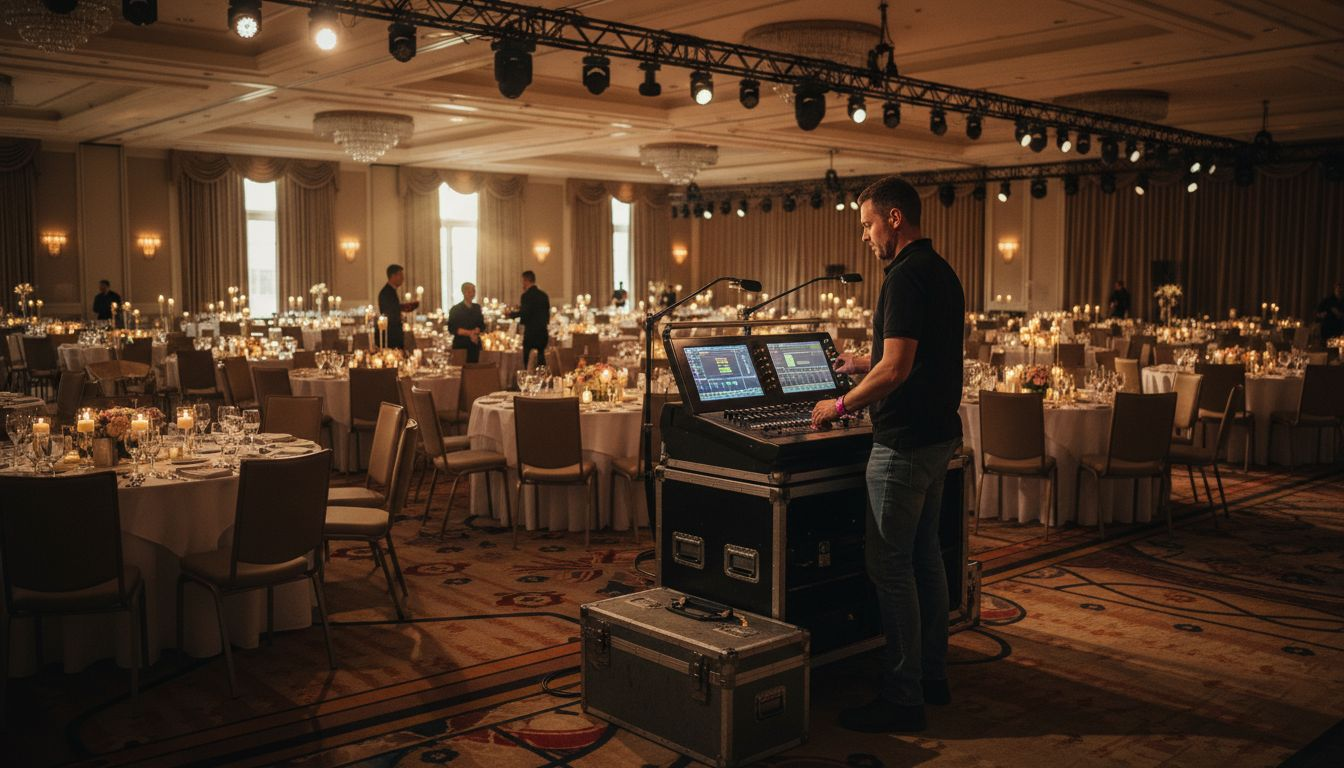
Lighting can turn a simple event into a truly unforgettable experience. For wedding planners and corporate organizers across Texas, the challenge goes beyond just making a venue visible—it is about shaping mood, telling a story, and guiding every guest’s attention. By treating lighting as the backbone of guest experience, you can create environments that feel intentional and memorable. Discover how strategic lighting solutions transform ordinary spaces and help your event stand out in the minds of your guests.
Table of Contents
Key Takeaways
Point | Details |
Importance of Lighting | Event lighting is essential for setting the mood and enhancing guest experience, making strategic lighting decisions crucial. |
Layering Lighting Types | Combining ambient, accent, pin spotting, and dynamic lighting creates depth and guides attention for better engagement. |
Color Psychology | Choosing the right lighting colors influences guest emotions and overall event atmosphere, impacting how guests feel during the event. |
Planning and Coordination | Early planning, quality equipment selection, and coordination with all event elements help avoid costly mistakes and enhance visual impact. |
Defining Event Lighting and Its Role
Event lighting is far more than just turning on a few lights. It’s a strategic tool that shapes how guests perceive your entire event from the moment they arrive. Lighting influences mood, directs attention, and creates the atmosphere that transforms a venue into a memorable experience.
Think of event lighting as the backbone of guest experience. Without it, even the most stunning floral arrangements and décor blur into darkness. With it, ordinary spaces become magical.
What Event Lighting Actually Does
Strategic lighting placement and programming turns event spaces into immersive environments. Lighting doesn’t just illuminate—it communicates. It guides guests, highlights your venue’s best features, and reinforces your event’s theme.
Here’s what professional event lighting accomplishes:
Sets mood through color temperature and brightness intensity
Highlights focal points like the bride’s entrance, stage, or guest of honor
Reinforces your event’s branding and theme through color choices
Directs guest attention to specific areas or moments
Creates depth and dimension in flat or plain spaces
Manages transitions between different event phases
For Texas wedding planners and corporate organizers, understanding these functions matters because they directly impact how guests feel and remember your event. The right lighting makes attendees feel welcome, celebrated, and engaged throughout the evening.
Lighting as Visual Storytelling
Event lighting works like a silent narrator. It tells your story without words. The power of light in events shapes atmosphere, evokes emotions, and creates unforgettable moments.
Consider a wedding reception. Soft, warm amber lighting during dinner creates intimacy and conversation. Then, as the evening progresses toward dancing, vibrant, dynamic lighting transforms the energy entirely. Your guests don’t just see a change—they feel it.
For corporate events, lighting communicates professionalism and attention to detail. Poorly lit conference areas signal indifference. Well-designed lighting signals competence and respect for attendees’ time.
Why This Matters for Your Texas Events
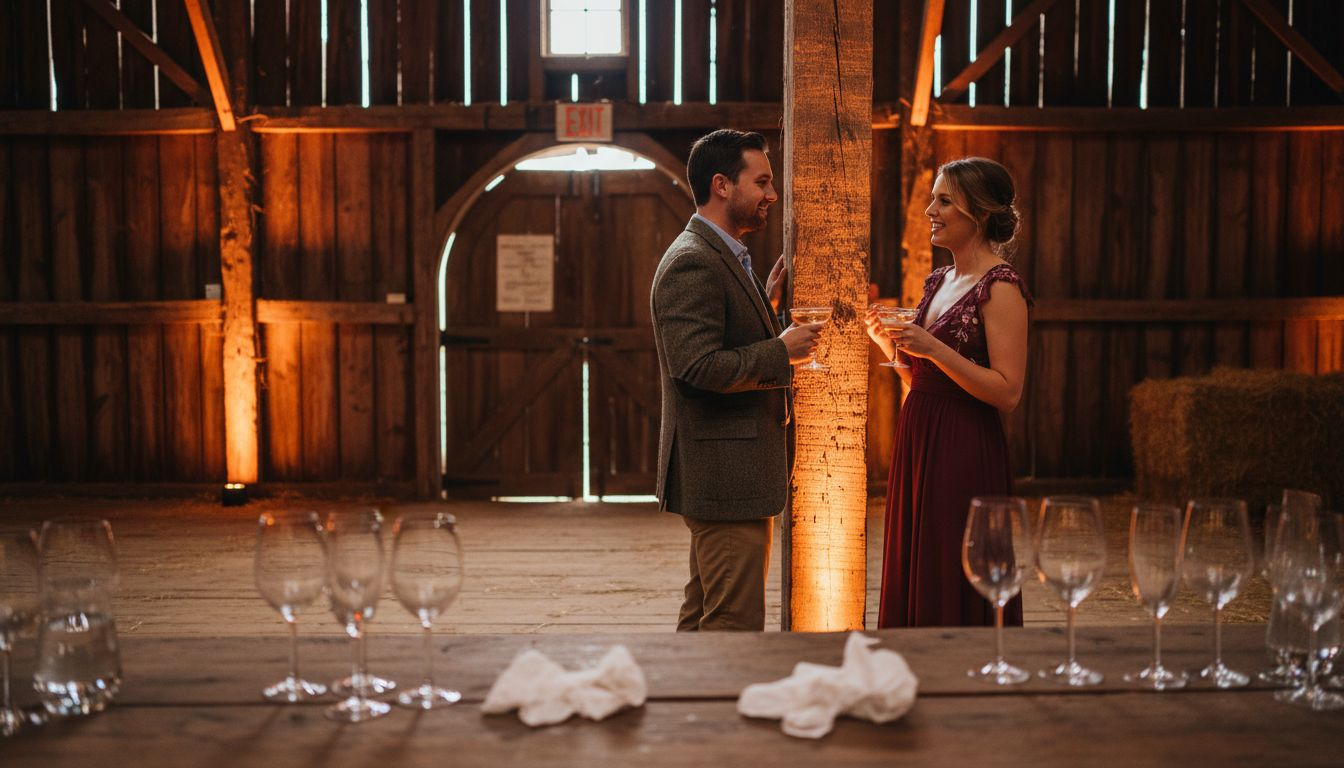
Texas venues vary dramatically—from rustic barns with exposed beams to sleek urban lofts to elegant ballrooms. Each space has different lighting challenges and opportunities. A barn venue needs lighting to showcase architectural character. An outdoor reception needs lighting to combat natural darkness and create intimacy.
Professional event lighting transforms any space into a reflection of your event’s purpose and personality, regardless of the venue’s starting point.
Guest experience hinges on how comfortable and engaged attendees feel. Poor lighting leaves guests squinting, struggling to navigate, or feeling disconnected. Strategic lighting creates an environment where guests naturally relax, socialize, and enjoy themselves.
When you plan an upscale event, lighting separates ordinary from memorable. It’s the difference between guests checking their phones throughout the evening and guests staying engaged from first light to last dance.
Pro tip: Discuss lighting challenges with your entertainment provider during initial planning—they understand how your specific venue responds to strategic lighting and can design solutions that enhance both ambiance and guest comfort from arrival through departure.
Major Types of Event Lighting Explained
Professional event lighting isn’t one-size-fits-all. Different lighting types work together to create depth, drama, and atmosphere. Understanding each type helps you design events that feel intentional and polished.
Think of event lighting like layers in a cake. Each layer serves a purpose, and together they create something greater than the sum of their parts.
The Foundation: Ambient Lighting
Ambient lighting provides the base layer that illuminates your entire venue. This is your starting point—it ensures guests can see and navigate safely without squinting or tripping.
Ambient lighting typically uses:
Overhead fixtures or ceiling-mounted lights
Wall-mounted sconces for even illumination
General floor lighting to define pathways
Soft, broad coverage across the entire space
For Texas wedding receptions in ballrooms, ambient lighting might be elegant chandeliers dimmed to 40% brightness. For corporate galas in urban venues, recessed ceiling lights create clean, professional baseline illumination.
Without proper ambient lighting, all your decorative touches disappear into darkness. It’s the invisible foundation that makes everything else possible.
Adding Drama: Accent and Uplighting
Accent lighting highlights specific features you want guests to notice. Strategic placement emphasizes architectural features or décor that deserve attention.
Ambulighting examples include:
Spotlights on floral arrangements or centerpieces
Directional light on the stage or head table
Highlighting architectural columns or artwork
Illuminating the gift table or guest book station
Uplighting shines light upward from the floor, creating drama and defining space. This type is particularly effective in venues with interesting ceilings, textured walls, or architectural character.
Uplifting a barn’s wooden beams in warm amber light transforms rustic charm into romantic ambiance. Uplighting a ballroom’s white columns in jewel tones creates sophistication and elegance.
Precision Focus: Pin Spotting
Pin spotting uses sharp, focused beams to illuminate specific objects or moments. Dynamic lighting effects add color and movement that keep energy high throughout your event.
Pin spots shine on:
The bride during her entrance or first dance
Awards or gifts being presented
Performers on stage
Specific table arrangements or special décor pieces
For corporate events, pin spotting highlights the keynote speaker or award recipients. For weddings, it draws attention exactly when you want it—during toasts, cake cutting, or the first kiss.
Energy and Movement: Dynamic Lighting
Dynamic lighting (also called moving lights) adds color, intensity changes, and movement. These fixtures rotate, change colors, and create effects that transform mood and energy.
Dynamic lights excel at:
Dance floor environments where energy must stay high
Transitioning between event phases
Creating visual interest during receptions
Synchronizing with music or performances
Dynamic lighting turns a standard dance floor into a clublike experience. It signals to guests that energy is shifting—time to dance, celebrate, and let loose.
How These Types Work Together
The magic happens when you combine types strategically. Ambient lighting keeps everyone safe. Accent lighting showcases your vision. Pin spotting focuses attention. Dynamic lighting energizes the room.
Professional event lighting layers multiple types to create dimension, guide guest attention, and support each moment of your event from beginning to end.
Texas event planners who understand these distinctions can communicate precisely with lighting designers. Instead of vague requests like “make it nice,” you can specify “soft ambient lighting with warm uplighting on the barn beams and pin spotting on the sweetheart table.”
Each lighting type serves a clear purpose. Used together, they transform your venue into an immersive environment that feels designed specifically for your event.
To better understand how different event lighting types serve various event objectives, review this side-by-side comparison:
Lighting Type | Primary Function | Best For | Example Impact |
Ambient Lighting | Set overall illumination and mood | Safe navigation and comfort | Enhances guest visibility |
Accent/Uplighting | Highlight architecture or décor | Visual drama and depth | Emphasizes focal design points |
Pin Spotting | Draw focus to key objects/moments | Special moments, speeches | Increases emotional significance |
Dynamic Lighting | Add motion, color, and energy | Dance floor, transitions | Boosts excitement and engagement |
Pro tip: When booking your entertainment provider, request a lighting walkthrough of your venue—they can identify which lighting types will have the greatest impact on your specific space and recommend combinations that maximize your budget.
Enhancing Ambiance and Guest Engagement
Ambiance and engagement aren’t separate concerns—they’re deeply connected. The right lighting creates an environment where guests naturally want to stay, interact, and celebrate. Poor lighting leaves them checking their phones.
When you control the lighting, you control how guests feel and behave throughout your event.
The Psychology of Lighting Colors
Strategic color choices evoke targeted emotional responses based on how our brains process light. This isn’t guesswork—it’s psychology applied to your event.
Warm colors (amber, gold, coral) create these effects:
Energize and excite guests
Encourage conversation and mingling
Feel intimate and romantic
Promote relaxation during dinner
Cool colors (blue, purple, silver) accomplish different goals:
Create modern, sophisticated atmosphere
Calm nervous energy
Feel more professional for corporate events
Draw focus and concentration
For a Texas wedding reception, warm amber lighting during dinner encourages guests to linger over food and conversation. As the evening shifts toward dancing, transitioning to dynamic blues and purples signals energy change without saying a word.
Corporate galas benefit from cool, crisp lighting that communicates professionalism and attention to detail. The color you choose tells guests what kind of experience to expect.
Use this summary table to plan lighting color psychology for your next event:
Color Tone | Emotional Response | Ideal Event Use | Risk if Misused |
Warm (amber/gold) | Intimate, welcoming | Weddings, social dinners | Overwhelming or too cozy |
Cool (blue/purple) | Professional, calming | Corporate, galas | Feels cold or impersonal |
Neutral (white) | Clean, balanced | Mixed-use, multi-phase | May appear bland |
Directing Attention and Creating Focus
Lighting isn’t random—it’s strategic storytelling. Spotlights and techniques like gobo projections highlight key elements and guide guest focus exactly where you want it.
Think about a wedding ceremony. Without strategic lighting, guests’ eyes wander across the entire room. With proper focus lighting on the altar or arch, every eye naturally gravitates there. The bride’s entrance becomes the moment everyone watches simultaneously.
Same principle applies to corporate presentations. Pin spotting the speaker keeps attention focused. Without it, guests get distracted by side conversations or decorative elements.
Dynamic lighting creates natural focal points that guide guest attention through different event moments:
Ceremony: Lighting on the couple or key participants
Dinner: Warm ambient with table spotlighting
Speeches: Single spotlight on speaker
Dancing: Full dynamic lighting across dance floor
Building Emotional Connection
Guests remember how lighting made them feel more than any individual decoration. Lighting shapes the emotional narrative of your entire event.
Consider contrast and depth. Flat, uniform lighting feels sterile and impersonal. Layered lighting with shadows, highlights, and variation feels intentional and professional. Guests subconsciously recognize the care and effort.
When uplighting emphasizes your venue’s architectural features, guests feel the space was chosen deliberately. When spotlighting highlights your floral arrangements, those flowers suddenly become focal art rather than background decoration.
Strategic lighting transforms ordinary venues into immersive environments where guests feel celebrated and engaged from arrival through departure.
For upscale Texas events, this distinction matters tremendously. Your guests expect attention to detail. Professional lighting signals that you’ve thought through every element, not just thrown together an event.
Dynamic lighting during receptions keeps energy consistent. Guests feel momentum carrying them through toasts, games, dancing, and dessert. The lighting tells them the celebration isn’t over—keep enjoying.
Reinforcing Your Event’s Theme and Branding
Lighting colors can reinforce your event’s theme without saying anything. A rustic barn wedding feels cohesive with warm amber and bronze uplighting. A modern corporate event feels polished with sharp white and cool blue accents.
For wedding planners, lighting colors should complement your color scheme. They don’t have to match exactly—but they should feel intentional and coordinated. Gold lighting feels different than silver lighting in the same dress.
Corporate events benefit from branded lighting. Some companies use their brand colors in subtle uplighting or accent lighting. Guests subconsciously register the branding without it feeling overwhelming.
Lighting sustains engagement by constantly reinforcing your event’s mood and message. Nothing contradicts your beautiful, elegant event faster than poor lighting that makes everything look dull and uninviting.
Pro tip: Request a lighting design consultation that includes color samples projected in your actual venue—what looks good theoretically often needs adjustments based on your space’s natural colors, furniture, and architectural features.
Safety, Compliance, and Operational Challenges
Beautiful lighting comes with real responsibilities. Safety and compliance aren’t afterthoughts—they’re foundational to professional event production. Ignore them and you risk guest injuries, equipment failure, or legal liability.
Proper lighting management protects your guests, your venue, and your reputation.
Electrical and Power Management
Event lighting demands significant electrical power. A single pin spot uses minimal energy, but dynamic fixtures, uplighting, and ambient systems combined create substantial loads. Rigorous planning integrates lighting into overall event production systems to prevent overloads and failures.
Power management challenges include:
Calculating total wattage across all lighting fixtures
Confirming venue electrical capacity matches your lighting design
Distributing power across multiple circuits to avoid overloads
Using proper grounding and surge protection
Managing power cables safely away from guest walkways
Texas venues vary dramatically in electrical infrastructure. An historic barn might have limited capacity. A modern hotel ballroom has robust systems. Your lighting designer must assess what your venue can actually handle before committing to specific fixtures.
Underpower your lighting and it fails mid-event. Overload circuits and you risk fire or electrical hazards.
Installation and Rigging Safety
Rigging safety matters tremendously for overhead lighting fixtures. Improperly secured lights can fall, causing serious injury. Safety standards and regulatory compliance for rigging equipment prevent accidents and ensure smooth operation.
Rigging concerns include:
Ceiling load ratings and structural integrity
Proper securement using rated hardware
Professional installation by qualified technicians
Regular safety checks before the event
Clear documentation of weight distribution
Never assume a venue’s ceiling can handle lighting rigs without professional assessment. Liability falls on the event organizer if equipment fails.
Managing Light Placement and Guest Safety
Lighting must enhance the experience without creating hazards. Poorly positioned fixtures can blind guests, create trip hazards, or obscure emergency exits.
Safety considerations include:
Avoiding direct light in guest pathways or seating areas
Keeping cables and equipment secured away from foot traffic
Maintaining clear sightlines to emergency exits
Ensuring adequate ambient lighting for safe navigation
Testing lighting during setup to identify potential issues
Dynamic lighting looks amazing on the dance floor. It becomes dangerous if it obscures emergency exits or creates strobe effects that trigger health issues for sensitive guests.
Compliance and Coordination
Visitor safety requires collaborative efforts among organizers, authorities, and technical teams. Clear communication between your entertainment provider, venue management, and safety personnel prevents misunderstandings.
Compliance requirements vary by venue and location:
Fire codes regarding electrical equipment
ADA accessibility and emergency lighting standards
Local building permits for permanent or temporary installations
Insurance requirements and liability coverage
Venue-specific restrictions on fixture types or rigging
Texas counties and municipalities have different requirements. What’s approved in one venue might violate codes at another. Professional entertainment providers know these regulations and build them into their planning.
Professional lighting design balances aesthetic impact with safety compliance, ensuring your event looks stunning without compromising guest well-being.
Communication prevents problems. When you book your entertainment provider, clarify what safety protocols they follow and what requirements your venue has. Get documentation of compliance measures.
Guests should never know about safety systems—they should just feel safe and enjoy the experience.
Pro tip: Request a safety walkthrough with your entertainment provider and venue coordinator before the event—identify potential hazards, confirm emergency procedures, and test all equipment to catch problems before guests arrive.
Budgeting and Mistakes to Avoid in Lighting
Lighting budgets get squeezed. When money tightens, event organizers often cut lighting costs first. This mistake haunts you on event day when your venue looks flat and uninviting.
Smart lighting budgeting prevents expensive last-minute scrambles and design compromises.
The Timing Trap
Early planning and venue assessments help control costs and avoid last-minute expenses. Yet most Texas planners leave lighting decisions until weeks before the event.
Why timing matters:
Late decisions limit equipment availability
Rush fees increase costs dramatically
No time for competitive quotes from providers
Impossible to assess venue limitations properly
Design compromises become mandatory, not optional
Booking your entertainment provider early—ideally when selecting your venue—gives you time to plan lighting strategically. You can coordinate with your florist, caterer, and décor designer about how lighting will enhance their elements.
A bride who books lighting six months early pays less and gets better design. One who waits until six weeks before pays rush fees for whatever’s available.
The Equipment Quality Mistake
Choosing unreliable equipment leads to costly repairs or replacements. Cheap fixtures might save $200 upfront but fail mid-event, requiring expensive emergency replacements.
Budget pitfalls include:
Buying the lowest-cost fixtures without vetting reliability
Mixing incompatible equipment from different manufacturers
Skipping warranty coverage to save money
Renting from providers without reputation checks
Choosing fixtures based purely on wattage rather than actual output quality
Professional-grade equipment costs more upfront but lasts longer, performs reliably, and maintains resale value. Budget gear fails when you need it most.
The Coordination Problem
Lighting doesn’t exist in isolation. It works with your décor, your color scheme, your venue’s natural features, and your entertainment provider’s sound system. Poor coordination creates conflicts that cost extra money to fix.
Common coordination mistakes:
Choosing lighting colors that clash with your floral arrangements
Designing lighting without considering stage or dance floor layout
Failing to coordinate with your DJ or band about dynamic lighting needs
Ignoring venue architectural features that could be highlighted
Planning uplighting that competes visually with your décor
When your entertainment provider understands your complete vision—your décor, color palette, venue, and timeline—they create cohesive lighting that enhances everything. Piecemeal planning creates visual clashes requiring redesigns.
The Load-In Reality
Underestimating setup and load-in time creates costly overtime and rushed installation. Professional lighting requires time to install properly, test thoroughly, and troubleshoot.
Allowing adequate time prevents:
Paying overtime rates for rushed setup
Installing fixtures incorrectly due to time pressure
Missing safety checks before guests arrive
Scrambling when equipment doesn’t work as expected
Blaming your entertainment provider for problems caused by insufficient setup time
Your venue should allow 2-3 hours minimum for complete lighting installation and testing. Upscale events deserve more time to ensure everything functions flawlessly.
Smart lighting budgeting means planning early, choosing reliable equipment, coordinating across all event elements, and allowing adequate setup time—this prevents expensive problems.
Texas event planners who understand these mistakes avoid them entirely. You save money by planning early, get better quality through reliable providers, and create cohesive visions through coordination.
Poor lighting on event day isn’t memorable—it’s forgettable. But your guests will absolutely notice when lighting transforms your venue into something special.
Pro tip: Request a detailed lighting timeline and equipment list from your entertainment provider during booking—confirm setup time, specify which equipment they’ll use, and understand exactly what’s included in your package to avoid surprise costs.
Elevate Your Texas Event with Expert Lighting and Entertainment
The article highlights how strategic event lighting transforms guest experience by setting mood, directing attention, and reinforcing your event’s theme. Key challenges often include balancing ambient, accent, and dynamic lighting while ensuring safety and seamless integration with décor and entertainment. Urban Space Entertainment LLC understands these needs deeply, offering professional DJ and lighting services designed to create immersive and memorable celebrations tailored for Texas venues ranging from rustic barns to modern ballrooms.
Don’t let poor lighting leave your guests disengaged or uncomfortable. Combine expert lighting with curated music to keep energy high and emotions connected from your ceremony to the last dance. Discover how the right blend of lighting types and colors can bring your vision to life by exploring our service information and choosing one of our flexible entertainment packages crafted for weddings, corporate events, and private parties. Take the first step to transform your event by booking online at Urban Space Entertainment LLC today and ensure your celebration stands out with professional lighting and sound solutions.
Frequently Asked Questions
What is the role of event lighting in enhancing guest experience?
Event lighting acts as a strategic tool that shapes the atmosphere, directs attention, and influences the mood of an event, making it a critical element in the overall guest experience.
How can different types of event lighting be used to create atmosphere?
Different types of event lighting, such as ambient lighting, accent lighting, and dynamic lighting, work together to create depth, highlight elements, and enhance the theme of the event, thus contributing to a captivating environment.
Why is it important to understand lighting color psychology when planning an event?
Lighting color psychology helps evoke targeted emotional responses. For example, warm colors create intimacy and excitement, while cool colors foster professionalism and calm, which can significantly influence guest behavior and interactions.
What are common mistakes to avoid when budgeting for event lighting?
Common mistakes include underestimating setup time, choosing unreliable or low-quality equipment, and failing to coordinate lighting with other event elements, all of which can lead to costly problems on event day.
Recommended
Comments