What Is Event Entertainment and Why It Matters
- Wix Team legend
- Jan 17
- 7 min read
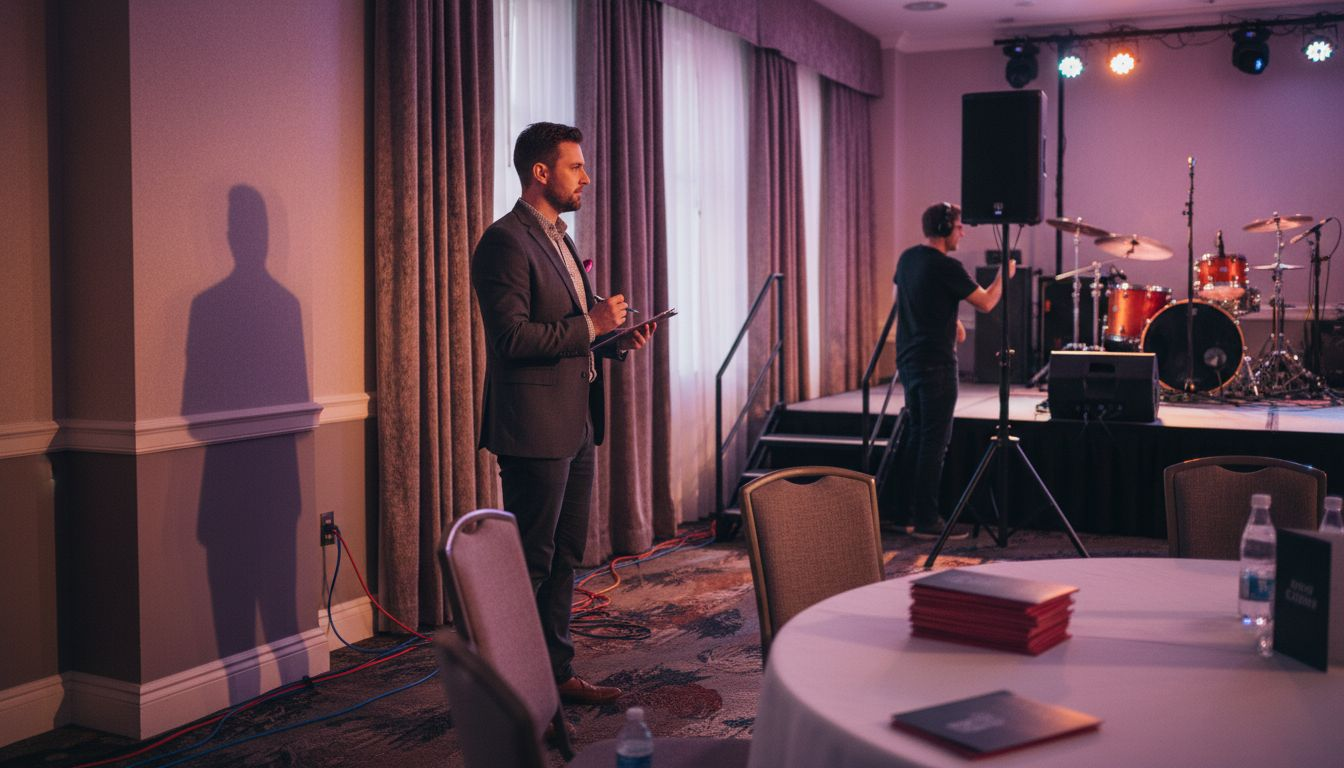
Many couples in Texas dream of a wedding that guests will talk about for years, but coordinating memorable entertainment can feel daunting. Creating a truly special celebration requires more than just great music—it calls for careful planning that blends seamless lighting, personalized playlists, and performances that capture the emotional heart of your event. By understanding the essentials of professional event entertainment, you can transform your wedding into an experience that delights everyone and flows effortlessly from start to finish.
Table of Contents
Key Takeaways
Point | Details |
Event Entertainment Focus | The core purpose of event entertainment is to create engaging, immersive experiences that resonate emotionally with audiences. |
Diverse Formats Available | Event entertainment encompasses various formats, including live performances, interactive experiences, and modern digital elements. |
Planning is Essential | Successful event coordination requires meticulous planning, clear communication, and contingency strategies to ensure seamless execution. |
Risk Management is Crucial | Identifying potential risks and developing proactive solutions are critical to avoid disruptions and ensure a successful event. |
Defining Event Entertainment Services Today
Event entertainment represents a dynamic professional service designed to create memorable experiences through carefully curated performances, music, and interactive elements. Cultural entertainment studies reveal this field encompasses far more than simple amusement - it’s a sophisticated social phenomenon that connects audiences through shared emotional experiences.
In practical terms, event entertainment services include a wide range of professional offerings such as live music performances, DJ services, sound and lighting design, interactive experiences, and custom audio visual productions. Professional entertainment establishments provide structured experiences that transform ordinary gatherings into extraordinary moments, whether for weddings, corporate events, private parties, or community celebrations.
The core purpose of event entertainment is engagement. Professional entertainers don’t just perform - they craft immersive experiences that resonate emotionally with audiences. This involves understanding audience demographics, selecting appropriate music and performance styles, managing technical production elements, and creating a seamless atmosphere that matches the event’s unique goals and atmosphere.
Pro tip: When selecting event entertainment, prioritize professionals who offer customization and understand the specific emotional tone you want to create for your celebration.
Popular Types and Entertainment Formats
Event entertainment encompasses an incredibly diverse range of performance and interactive experiences, spanning multiple categories that cater to different audience preferences and event contexts. These formats include live performances like concerts and theater productions, interactive workshops, digital experiences, and large-scale community celebrations that bring people together through shared cultural moments.
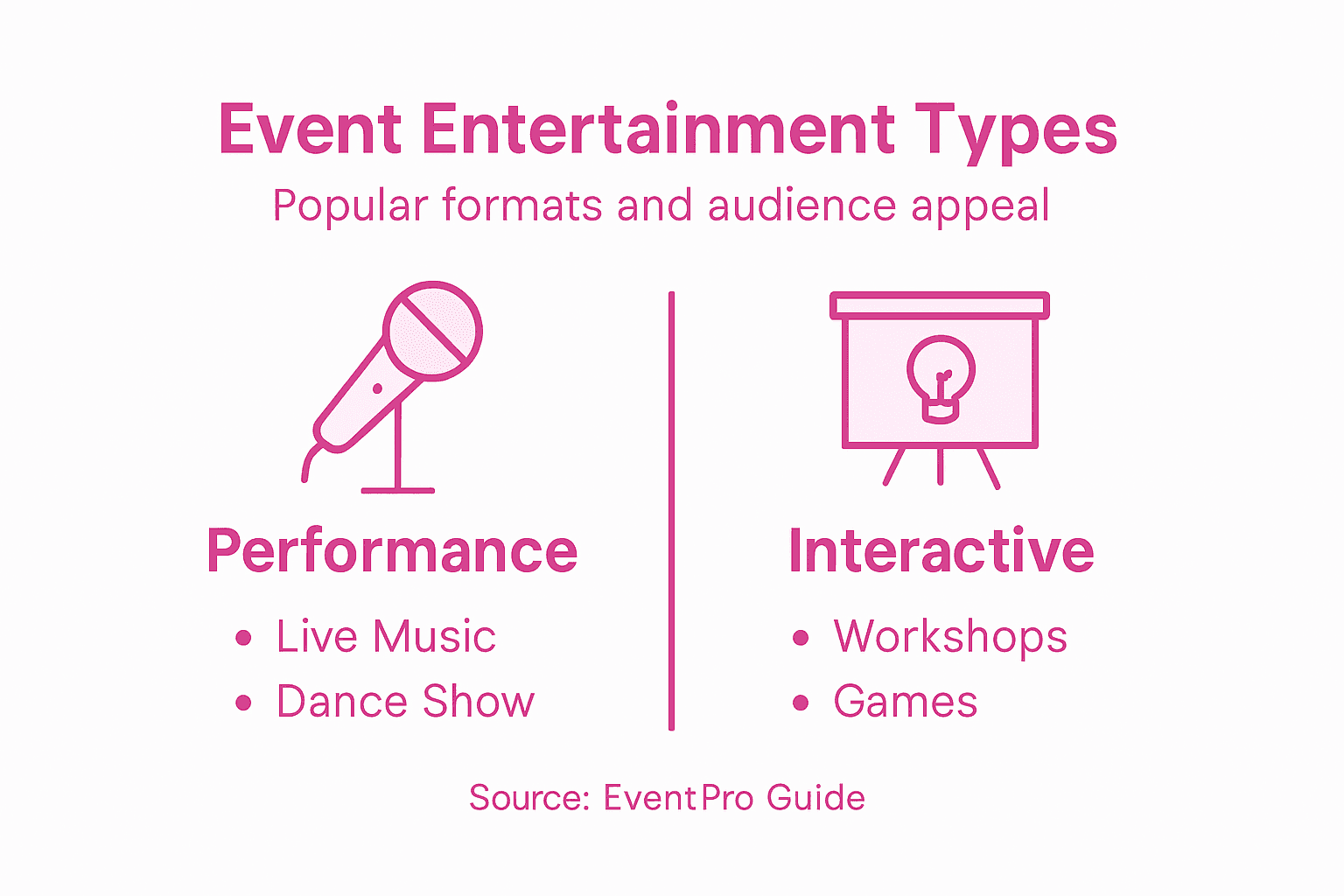
Traditional entertainment formats remain incredibly popular, with live music performances, DJ services, dance shows, theatrical productions, and comedy acts forming the core of many event experiences. Modern entertainment has expanded to include innovative hybrid formats that blend physical and digital elements, such as livestreamed concerts, virtual reality experiences, interactive multimedia presentations, and technology-enhanced performances that create immersive audience engagement.
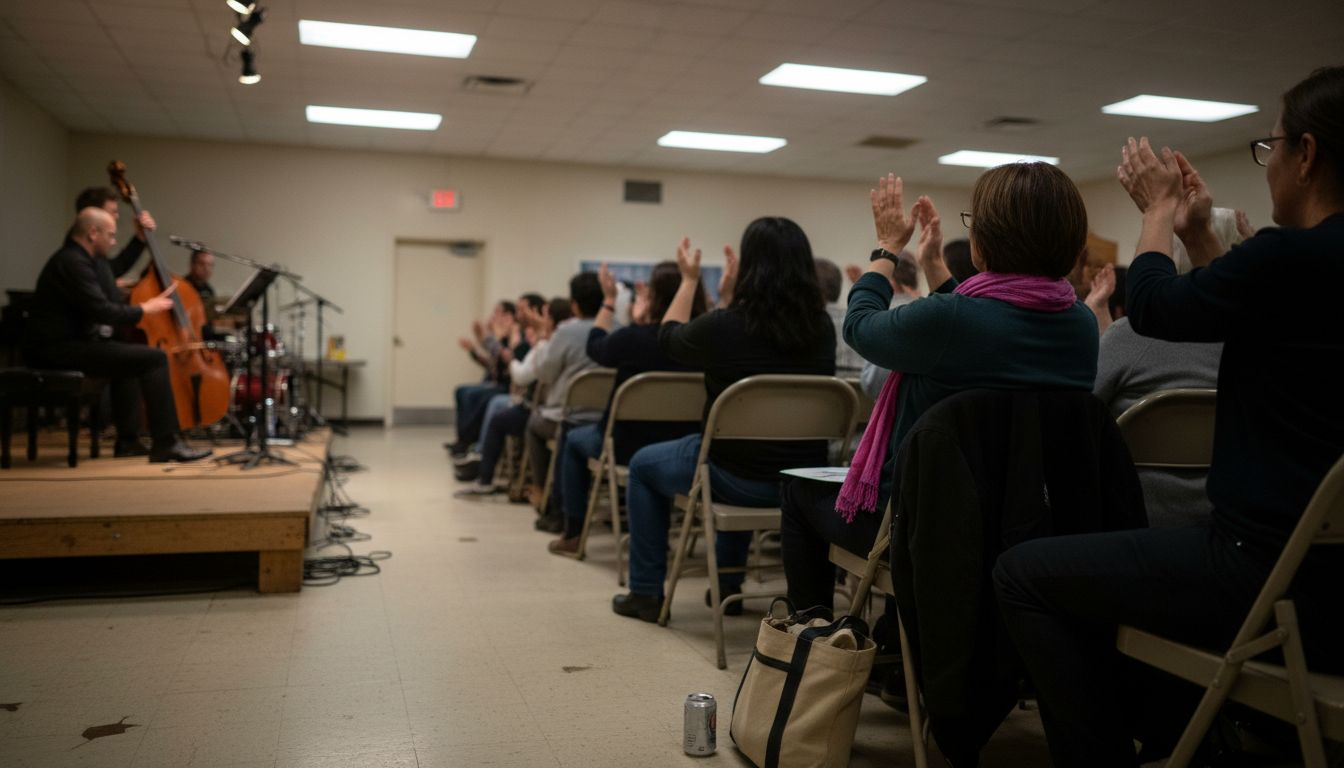
Cultural festival entertainment represents another significant category, offering themed experiences that showcase artistic talent, cultural heritage, and community creativity. These events range from music festivals and arts exhibitions to specialized gatherings that celebrate specific genres, cultural traditions, or community interests, providing rich, multisensory entertainment experiences that go beyond traditional performance models.
Pro tip: When selecting entertainment formats, consider your audience demographics and choose experiences that will create meaningful, memorable connections through engaging and interactive performances.
Here’s a comparison of traditional and modern event entertainment formats to help you choose what best fits your occasion:
Entertainment Format | Audience Engagement | Typical Venues | Technological Integration |
Live Performances | High, direct interaction | Concert halls, outdoor stages | Minimal, traditional setups |
DJ Services | Active, dance-focused | Clubs, weddings, corporate | Moderate, enhanced sound/lights |
Interactive Workshops | Hands-on learning | Conference centers, retreats | Variable, often digital tools |
Livestreamed/Virtual Events | Global, online audience | Virtual platforms, hybrid | High, video and VR |
How Professional Event Entertainment Works
Professional event entertainment operates through a sophisticated, strategic approach that involves multiple critical stages of planning and execution. Entertainment management techniques require comprehensive coordination between creative vision and practical logistics, ensuring that every event delivers a seamless and memorable experience for participants.
The process begins with detailed event design and strategic planning, where entertainment professionals carefully assess client needs, audience demographics, and event objectives. This initial phase involves selecting appropriate performance styles, creating customized entertainment packages, and developing a comprehensive roadmap that addresses technical requirements, performer selection, sound and lighting design, and overall event flow. Professionals use advanced project management tools to track complex details, coordinate multiple vendors, and ensure every aspect of the entertainment experience meets precise quality standards.
Professional event coordination encompasses a holistic approach that goes beyond mere performance scheduling. It involves intricate negotiations with performers, venue management, technical teams, and other stakeholders to create a cohesive entertainment experience. Entertainment professionals must balance creative expression with practical constraints, managing budgets, technical specifications, and client expectations while maintaining the flexibility to adapt to unexpected challenges during live events.
Pro tip: Always request a detailed technical rider and performance contract from entertainment professionals to understand exactly what services and equipment will be provided at your event.
Planning Tips for a Seamless Experience
Creating a seamless event entertainment experience requires meticulous planning and strategic preparation. Event planning fundamentals involve a comprehensive approach that begins with clear communication, detailed documentation, and anticipating potential challenges before they arise. Successful event coordination demands understanding your audience, defining precise event objectives, and developing a flexible yet structured planning framework.
Key strategic elements include developing a detailed timeline, coordinating with multiple vendors, and creating contingency plans for potential disruptions. Event professionals must carefully map out technical requirements, performer logistics, sound and lighting configurations, and audience flow. This involves creating detailed production schedules, conducting thorough venue walkthroughs, and establishing clear communication protocols among all stakeholders to ensure smooth execution.
Event risk management represents a critical component of creating a seamless experience. Professionals must proactively identify potential challenges, develop comprehensive emergency response strategies, and implement robust safety protocols. This includes crowd management techniques, clear communication channels, appropriate insurance coverage, and systematic approaches to mitigating unexpected complications that could potentially disrupt the event’s success.
Pro tip: Create a comprehensive event day checklist that includes contact information for all key vendors, backup equipment options, and emergency contact protocols to ensure you can quickly resolve any unexpected challenges.
Costs, Risks, and Common Pitfalls
Event entertainment involves complex financial considerations and potential risks that require careful strategic planning. Event planning challenges can significantly impact budgets and overall event success, with rising audiovisual costs, logistical expenses, and unpredictable financial constraints creating substantial pressure for organizers. Understanding these potential financial pitfalls is crucial for developing realistic expectations and implementing effective cost management strategies.
Technical and operational risks represent another critical dimension of event entertainment planning. Potential challenges include equipment failures, sound system malfunctions, performer scheduling conflicts, and unexpected venue limitations. Successful event professionals anticipate these risks by developing comprehensive backup plans, maintaining flexible technical configurations, and maintaining open communication channels with all key stakeholders to quickly address and mitigate potential disruptions.
Event risk management demands proactive identification of safety hazards, crowd control issues, and potential legal liabilities. This requires developing robust insurance coverage, implementing detailed safety protocols, and creating systematic contingency plans that can be quickly activated in response to unexpected challenges. Neglecting these critical risk management strategies can result in significant financial losses, reputational damage, and potential legal complications that could fundamentally undermine the event’s success.
Pro tip: Always allocate a 15-20% contingency budget for unexpected expenses and maintain comprehensive event insurance that covers potential technical, performance, and safety-related risks.
This summary highlights key risks and solutions for event entertainment planning:
Common Risk | Potential Impact | Proactive Solution |
Equipment Failure | Event disruptions or delays | Backup gear and on-site technicians |
Performer Scheduling Conflict | Last-minute cancellations | Confirm contracts and backups |
Unexpected Expenses | Budget overruns | Set a contingency reserve |
Safety Hazards | Injuries, liability issues | Comprehensive insurance, protocols |
Elevate Your Event Entertainment Experience with Expert DJ Services
Understanding the crucial role of event entertainment means recognizing the need for seamless coordination, emotional engagement, and immersive experiences. The article highlights common challenges such as balancing technical demands, customizing performances, and managing risk to create memorable celebrations tailored to your audience. At Urban Space Entertainment LLC, we transform these challenges into opportunities by offering professional DJ services designed to captivate guests and bring your vision to life.
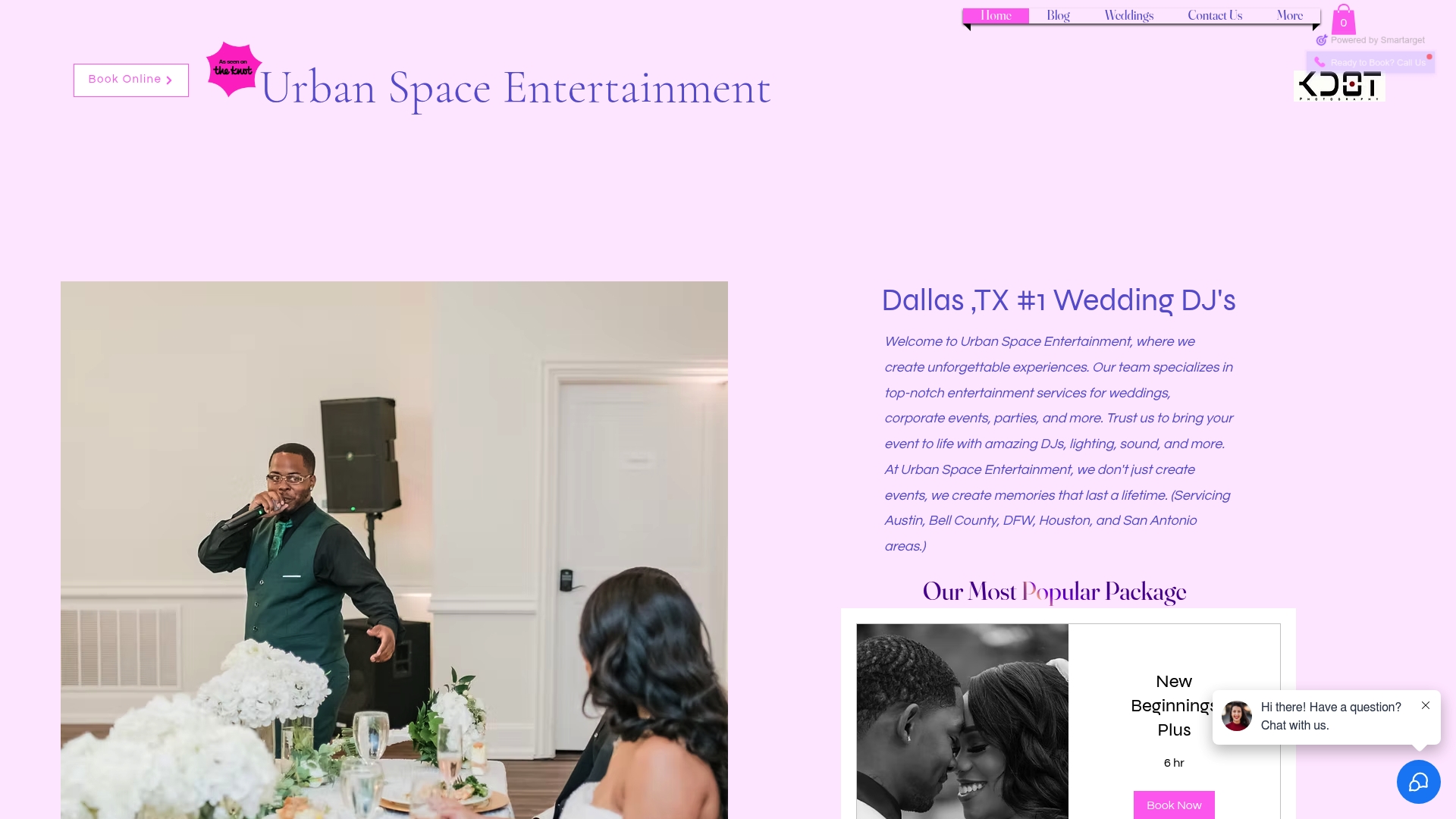
Discover how our flexible music packages and expert sound and lighting setups address the core demands of event entertainment. Whether planning a wedding, corporate function, or private party, our team ensures every detail aligns with your goals and audience preferences. Take the next step toward a flawless event by visiting Urban Space Entertainment to explore our Service Information and the Most Popular package. Book online now to secure your date and turn your event entertainment from ordinary to extraordinary.
Frequently Asked Questions
What is event entertainment?
Event entertainment refers to professional services designed to create memorable experiences through performances, music, and interactive elements that engage audiences at various gatherings.
Why is event entertainment important for gatherings?
Event entertainment is crucial as it turns ordinary events into extraordinary experiences, enhancing audience engagement and emotional connection through carefully curated performances and experiences.
What are the different types of event entertainment formats?
Event entertainment formats include live performances (concerts, theater), DJ services, interactive workshops, and digital experiences like livestreams and virtual events, catering to diverse audience preferences.
How can I ensure a seamless event entertainment experience?
To ensure a seamless experience, focus on meticulous planning, clear communication with vendors, create a detailed timeline, and establish contingency plans to address any potential challenges during the event.
Recommended
Comments